The Power Grid Energizing Online Wagering
26 Apr 2026
The Power Grid Energizing Online Wagering
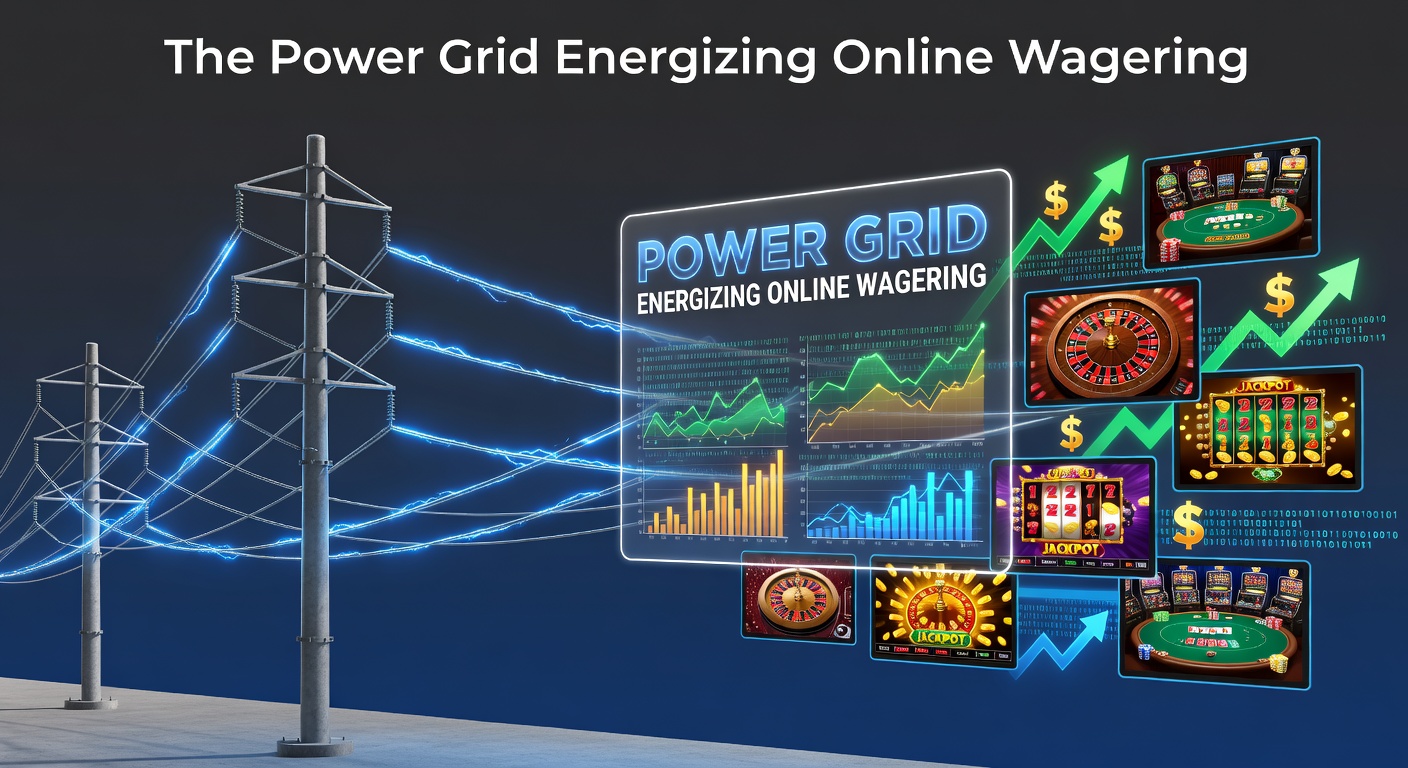
Online wagering platforms process millions of transactions daily, handling live odds updates, random number generations for slots, and real-time streams for sports events, all powered by an invisible yet critical force: the global power grid intertwined with cutting-edge data infrastructure. This network, spanning massive server farms and cloud services, ensures bets land instantly while players chase jackpots or track parlays, and disruptions here can halt action faster than a referee's whistle. Data centers alone guzzle electricity on par with small countries, fueling everything from algorithmic predictions to secure payment gateways.
The Digital Backbone: Servers and Data Centers at the Core
At the heart of online wagering sit sprawling data centers, where racks of servers hum constantly to deliver low-latency experiences; these facilities, often clustered in places like Virginia's "Data Center Alley" or Ireland's tech hubs, manage peak loads during major events such as the Super Bowl or UEFA Champions League finals. Figures from the U.S. Department of Energy reveal that data centers worldwide consumed about 460 terawatt-hours in 2022, a figure projected to climb as wagering apps swell with users betting on esports or horse races. Operators like DraftKings or FanDuel rely on hyperscalers such as AWS and Google Cloud, which distribute workloads across redundant nodes, so a single server failure doesn't crash a player's mid-game wager.
But here's the thing: random number generators (RNGs) powering virtual slots demand uninterrupted power, churning out billions of outcomes yearly under strict certification from bodies like eCOGRA; meanwhile, live betting engines crunch odds in milliseconds, adjusting lines based on in-game shifts like a touchdown or goal. Observers note how Tier 4 data centers, with 99.995% uptime, incorporate cooling systems that recycle heat for nearby buildings, blending efficiency with the raw compute needed for high-stakes action.
Redundancy Realities: Keeping the Lights On During Peak Plays
Uninterruptible power supplies (UPS) and diesel generators stand ready in these facilities, kicking in within seconds of a grid flicker to bridge gaps until main power restores, because even a 30-second outage could void thousands of bets or corrupt progressive jackpots building toward eight figures. Take the 2021 Texas power crisis, where brief blackouts rippled through online sportsbooks, delaying NBA playoff wagers; platforms mitigated this via geo-redundant setups, shifting traffic to unaffected regions seamlessly. Research from the Australian Energy Council highlights how wagering firms now deploy microgrids, solar-backed batteries that sustain operations independently, especially vital in storm-prone areas like Florida during hurricane season.
And yet, failover systems prove their worth routinely; during the 2024 Olympics, betting volumes surged 300%, but edge computing nodes closer to users shaved latency, powered by localized generators that kept streams flowing without a hitch. Those who've studied this infrastructure point out how N+1 redundancy—extra components beyond requirements—ensures scalability, so platforms handle Black Friday casino rushes or March Madness brackets without skipping a beat.
Energy Appetite: Scale and Surges in Wagering Workloads
Online wagering's thirst for power escalates with growth; the global market hit $95 billion in 2023 per Statista reports, driving server demands that rival cryptocurrency mining in intensity, although wagering optimizes for predictability over proof-of-work hashes. A single hyperscale data center might draw 100 megawatts—enough for 80,000 homes—while AI-driven personalization engines, forecasting user preferences for tennis futures or blackjack tables, add layers of compute. What's interesting is how seasonal spikes align with power grids: NFL Sundays see U.S. East Coast facilities peak at 150% capacity, balanced by demand-response programs that throttle non-essential tasks.
Experts have observed that 5G integration amplifies this, enabling ultra-low latency for in-play props on soccer matches, but it requires denser edge servers sipping power from urban microgrids. Turns out, blockchain for provably fair games layers on more, with Ethereum-based lotteries verifying outcomes via energy-intensive nodes, though layer-2 solutions now trim that footprint.
Sustainability Shifts: Greening the Wagering Power Play
Data center operators powering wagering platforms chase carbon neutrality aggressively; AWS pledged 100% renewable matching by 2025, a timeline many sportsbook backends already hit, sourcing hydro from Quebec or wind from Texas plains. In Europe, facilities near Nordic hydroelectric dams cool servers with frigid fjord water, slashing energy for chillers by 40% according to operator disclosures; this matters because wagering's 24/7 nature amplifies environmental impact, yet innovations like liquid immersion cooling—submerging boards in non-conductive fluids—cut power use by 30% while boosting density for jackpot trackers.
Now, as regulators eye footprints, firms like Bet365 invest in on-site solar arrays, generating megawatts to offset grid pulls during daytime Derby bets. People often find it noteworthy that circular economy practices recycle server heat for district heating in Finland, warming homes while fueling virtual poker tournaments—a win-win in efficiency.
Cyber-Power Nexus: Safeguarding the Grid from Digital Threats
Power infrastructure dovetails with cybersecurity in wagering, where DDoS attacks could overload servers mimicking a blackout; mitigation involves scrubbed traffic routed through Akamai shields powered by resilient grids, ensuring hackers can't plunge platforms into darkness. Observers note how quantum-resistant encryption, rolled out in select backends, demands extra cycles but fortifies against future threats, all sustained by hardened power feeds with physical barriers against sabotage.
So, during high-profile events like the 2026 World Cup qualifiers in April, layered defenses—AI anomaly detection humming on dedicated GPUs—pair with generator farms to repel surges, keeping odds live and payouts prompt.
Horizon Ahead: 2026 Trends Powering Next-Gen Wagering
By April 2026, edge AI will decentralize more processing to user devices via 6G precursors, easing central grid loads while enabling hyper-personalized props on niche leagues; neuromorphic chips mimicking brain efficiency promise 100x power savings for odds modeling. Data indicates hyperscalers plan 50% capacity growth in renewable-heavy zones like Iceland's geothermal fields, supporting metaverse casinos where avatars bet on simulated races with haptic feedback.
That's where the rubber meets the road: fusion pilots and advanced batteries could slash downtime to microseconds, letting platforms chase ever-bigger jackpots without grid worries. Researchers who've modeled this foresee wagering's power profile stabilizing at 2% of global electricity by decade's end, balanced by offsets like carbon credits from efficient ops.
Conclusion
The power grid underpins online wagering's relentless pace, from data centers crunching terabytes of bets to redundant systems averting chaos, all evolving toward sustainable, unbreakable resilience. As volumes climb—projected to double by 2030 per industry forecasts—this infrastructure remains the unsung hero, energizing every spin, wager, and win with unflinching reliability; disruptions fade into rarity, thanks to innovations blending raw power with smart design.