9 Jun 2026
Security Protocols Enhancing Trust in Digital Fund Transfers for Interactive Entertainment Platforms
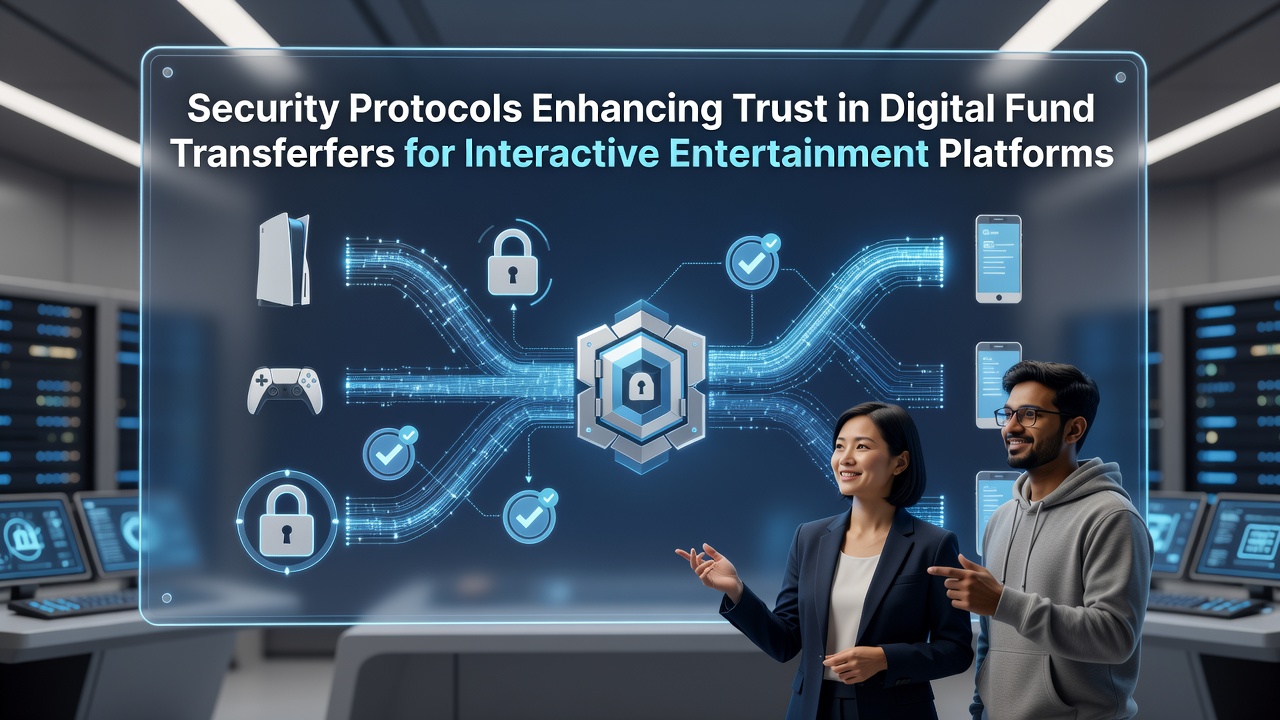
Interactive entertainment platforms rely on secure digital fund transfers to maintain user confidence, and data from industry reports shows that encryption standards along with authentication layers form the backbone of these systems. Researchers have documented steady adoption of protocols that protect transactions in real time, while platforms integrate measures that comply with established payment security frameworks. Observers note that these protocols reduce exposure to unauthorized access, and figures from global cybersecurity assessments reveal consistent improvements in transaction integrity across regions.
Encryption Standards Securing Transaction Data
Advanced encryption methods such as TLS 1.3 and AES-256 operate continuously to shield data during transfers, and experts point out that these tools convert sensitive details into unreadable formats before they travel across networks. Platforms handling live interactions often combine symmetric and asymmetric encryption to balance speed with protection, while tokenization replaces actual account numbers with unique identifiers that hold no value if intercepted. Studies from payment security organizations indicate that such combinations limit breach impacts, and companies deploying these standards report fewer incidents of data compromise in high-volume environments.
Tokenization works alongside encryption to isolate payment credentials, and regulatory bodies across multiple jurisdictions require its use in consumer-facing applications. One study revealed that platforms adopting end-to-end encryption saw measurable drops in fraud attempts, whereas those relying on older protocols faced higher risks. The reality is that these technical layers must adapt to evolving threats, and ongoing updates ensure compatibility with new device types and network conditions.
Multi-Factor Authentication and Access Controls
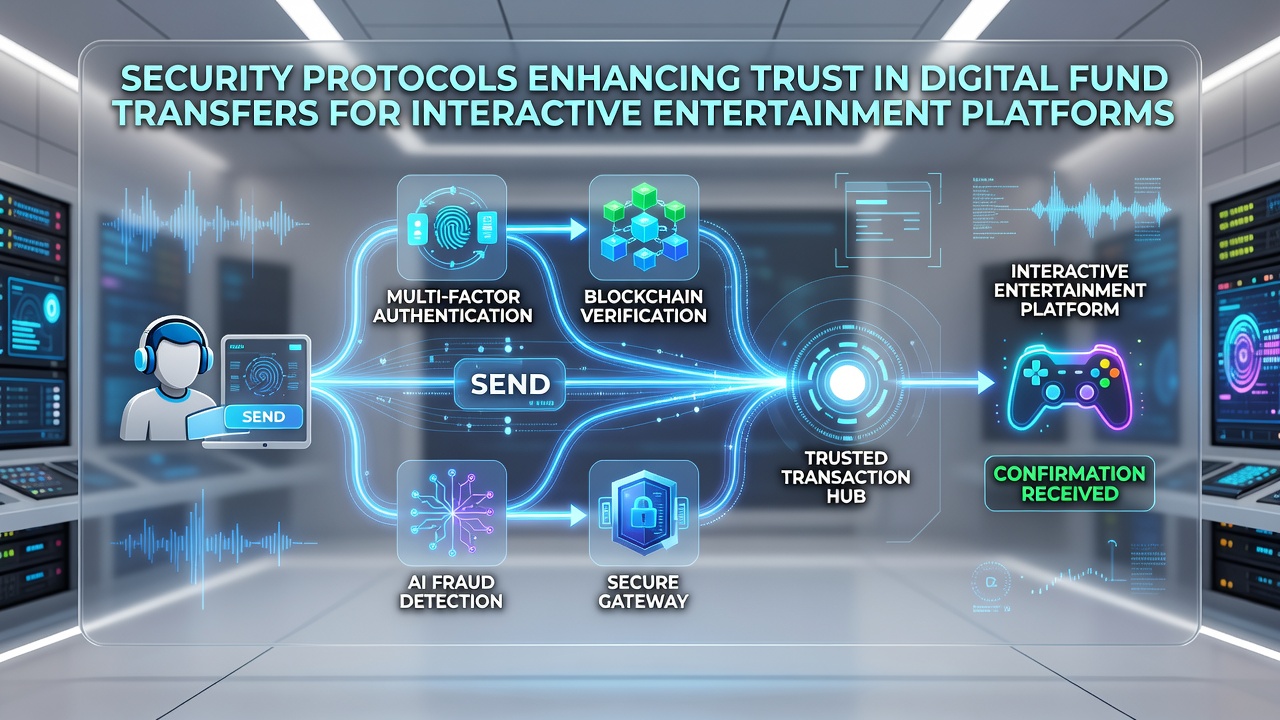
Multi-factor authentication adds verification steps that go beyond passwords, and analysts have observed increased implementation of biometrics combined with one-time codes in entertainment platforms. These controls verify user identity at multiple points during a transaction, while behavioral analytics monitor patterns to flag unusual activity. Data indicates that systems incorporating device fingerprinting and location checks strengthen overall security without disrupting user flow, and integration with risk-based engines allows platforms to adjust scrutiny levels dynamically.
Access management protocols extend to internal staff as well, and role-based permissions restrict who can view or modify transfer records. Observers note that regular audits of these controls help identify vulnerabilities early, while automated tools enforce session timeouts and IP restrictions. Research from academic sources shows that layered authentication correlates with higher user retention rates, because participants feel more assured when platforms demonstrate proactive protection measures.
Regulatory Compliance and Industry Standards
Compliance with the PCI Data Security Standard remains central to fund transfer security, and the PCI Security Standards Council provides detailed requirements that platforms must follow to process payments safely. These guidelines cover network segmentation, vulnerability management, and regular testing, while non-compliance can result in fines or operational restrictions. Platforms that align with these rules often achieve certifications that signal reliability to users and partners alike.
Additional frameworks such as the European Union's Payment Services Directive influence practices in multiple markets, and authorities in regions like Australia and Canada enforce parallel standards that emphasize consumer data protection. Reports compiled by international bodies highlight how adherence to these rules supports cross-border transactions, and platforms maintain logs that facilitate audits. As of June 2026, updated compliance checklists incorporate new requirements around cloud-based processing, and organizations continue to refine their approaches based on emerging threat intelligence.
Monitoring Systems and Incident Response
Real-time monitoring tools scan transactions for anomalies, and machine learning models help distinguish legitimate activity from potential threats. Platforms deploy these systems to review thousands of transfers per minute, while alert mechanisms notify security teams of deviations that require immediate attention. Evidence suggests that rapid response protocols, including automated transaction holds, minimize losses when issues arise, and post-incident reviews feed into continuous improvement cycles.
Collaboration with financial institutions and cybersecurity firms strengthens these capabilities, and shared databases allow faster identification of compromised credentials. Those who've studied platform operations note that transparent communication during incidents helps preserve trust, even as investigations proceed. Regular penetration testing and third-party assessments further validate the effectiveness of monitoring setups, and results guide adjustments to protocols as needed.
Future Developments in Secure Transfers
Emerging technologies such as quantum-resistant encryption and decentralized ledger systems are under evaluation for future use in fund transfers, and pilot programs test their scalability within entertainment environments. Industry reports project broader integration of these tools by the end of the decade, while current infrastructure upgrades prepare platforms for smoother transitions. Observers track progress through conferences and technical publications that detail performance metrics from early adopters.
Conclusion
Security protocols continue to evolve in response to changing threat landscapes, and their application in digital fund transfers underpins operational stability for interactive entertainment platforms. Comprehensive measures encompassing encryption, authentication, compliance, and monitoring create layered defenses that address multiple risk vectors simultaneously. Data from authoritative sources demonstrates measurable benefits in transaction safety, and ongoing refinements ensure these systems remain effective amid technological advances. Platforms that maintain rigorous standards position themselves to support secure interactions over the long term.