10 Jul 2026
How Self-Regulation Tools Shape Access to Reward Pathways in Digital Sports Odds and Prize Pools
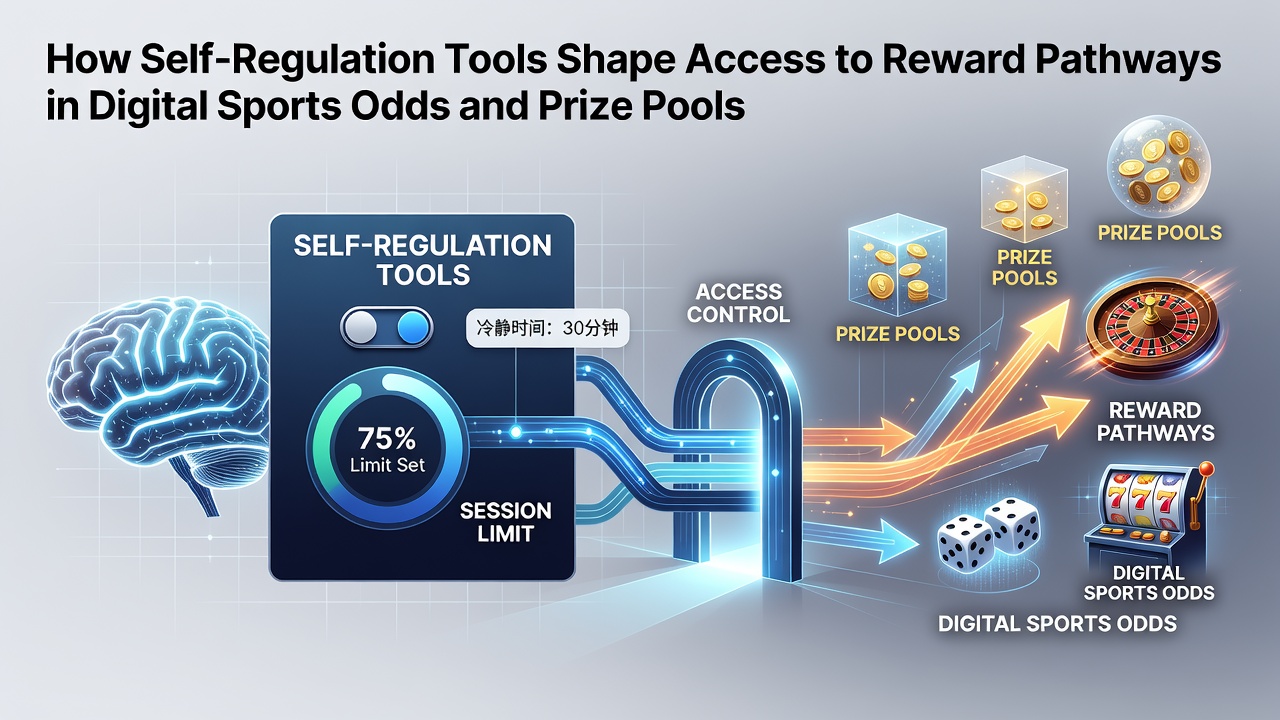
Digital sports betting platforms integrate self-regulation tools that directly influence how users interact with reward pathways tied to odds calculations and accumulating prize pools, and these mechanisms operate through structured limits on deposits, session durations, and expenditure thresholds that alter exposure patterns over time.
Mechanisms of Reward Pathway Activation in Betting Environments
Users encounter reward pathways when they engage with dynamic odds that adjust in real time during live events and when they contribute to progressive prize pools that grow through collective participation, while neuroscientific studies link these interactions to dopamine release patterns similar to those observed in other reinforcement-based activities, according to findings from multiple research institutions. Self-regulation tools interrupt or modulate these cycles by capping the frequency and volume of bets placed, which in turn reduces repeated access to the variable reward schedules embedded in sports odds and jackpot structures.
Deposit and Loss Limits as Gatekeepers to Prize Accumulation
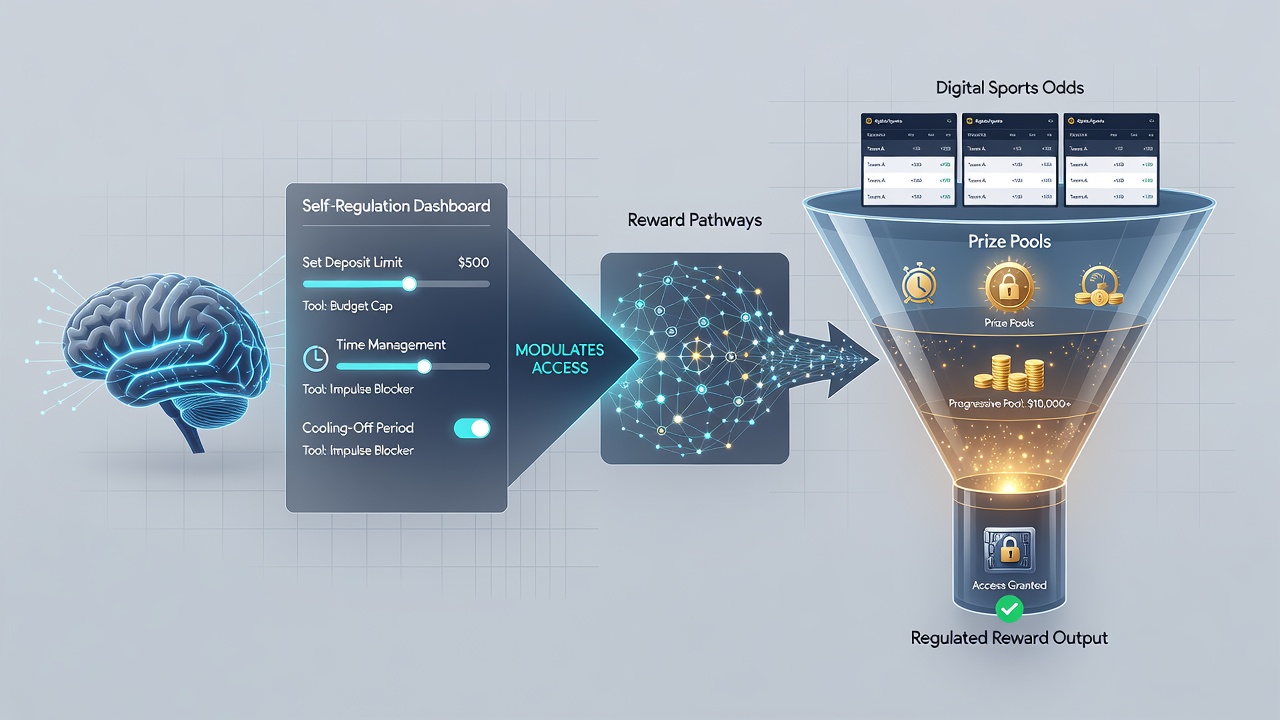
Deposit limits set daily, weekly, or monthly caps that prevent escalation beyond predetermined amounts, and loss limits function similarly by halting further wagers once a threshold is reached, with platform data indicating these features decrease average session lengths and total stake volumes across user cohorts in regulated markets. Observers note that such controls reshape pathways to prize pools by limiting the capital available for chasing incremental odds improvements or pool contributions, and this effect compounds when users activate multiple tools in combination. In July 2026, several European operators reported aggregated metrics showing stabilized prize pool participation rates among accounts with active limits, suggesting sustained moderation rather than complete withdrawal from betting activities.
Reality Checks and Session Time-Outs in Live Odds Contexts
Reality check prompts deliver periodic notifications that display elapsed time and net results, which interrupt immersive states during in-play betting where odds fluctuate rapidly, while time-out options allow temporary suspensions ranging from hours to days that pause access to both sports wagers and associated prize structures. Research indicates these interventions lower the likelihood of prolonged engagement with high-variance odds scenarios that feed into larger pool distributions, and they achieve this by prompting conscious reassessment before users resume. Data from Canadian regulatory bodies shows measurable declines in consecutive betting streaks when reality checks activate at 30-minute intervals, demonstrating how these tools recalibrate reward access without eliminating platform functionality entirely.
Self-Exclusion Programs and Long-Term Pathway Modulation
Self-exclusion programs enable users to block account access for set periods, often six months to five years, which severs connections to sports odds feeds and prize pool entries during the exclusion window and creates enforced breaks that researchers link to reduced reinforcement sensitivity upon potential return. These programs operate across multiple operators in coordinated systems, such as those implemented in Australian jurisdictions, where centralized registries track compliance and prevent circumvention through alternative accounts. Evidence from longitudinal tracking reveals that participants who complete full exclusion terms exhibit altered betting resumption patterns, with lower initial stake sizes and reduced focus on high-reward pool mechanics compared to pre-exclusion baselines.
Integration of Tools Within Broader Platform Architectures
Modern betting interfaces embed self-regulation options directly into account dashboards alongside odds displays and prize trackers, allowing seamless activation without exiting core features, and this design facilitates proactive management that shapes reward access at the point of decision rather than after escalation occurs. Industry reports highlight how algorithmic adjustments respond to limit activations by surfacing alternative lower-stake options or highlighting pool contributions that remain within boundaries, thereby guiding users toward moderated interactions. What's interesting is that such integrations maintain engagement metrics while constraining pathway intensity, as shown in aggregated statistics from North American operators following 2025 regulatory updates.
Empirical Patterns Observed Across User Segments
Studies tracking diverse demographics find that younger users activate time-based tools more frequently during live sports events, whereas older cohorts tend toward expenditure caps that directly influence prize pool contributions, and these segment-specific patterns produce distinct effects on overall reward pathway exposure. Academic analyses from institutions like those affiliated with the University of Sydney demonstrate correlations between consistent tool usage and stabilized betting frequencies, with fewer instances of rapid cycling through odds adjustments or pool entries. Platforms in July 2026 continue to refine these tools based on anonymized behavioral datasets that reveal how combined limit strategies yield stronger moderation outcomes than isolated features alone.
Conclusion
Self-regulation tools collectively function as structural controls that recalibrate user access to the reward pathways inherent in digital sports odds and prize pools by enforcing boundaries on time, spend, and participation duration, and their deployment across global markets continues to generate measurable shifts in engagement dynamics without removing core platform capabilities. Ongoing data collection from varied regulatory regions supports refinement of these mechanisms to align with observed behavioral responses in real-world conditions.