12 Jun 2026
Data Synchronization Across Athletic Analytics and Reward Escalation Systems in Portable Interfaces
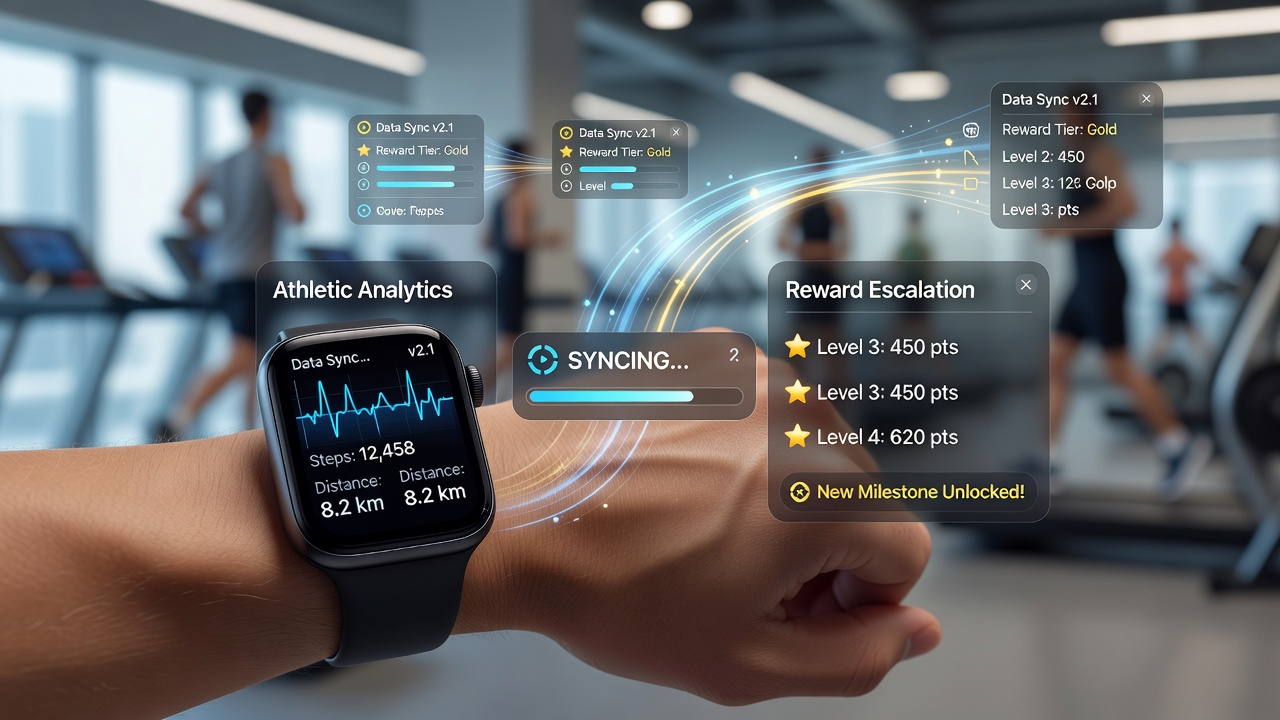
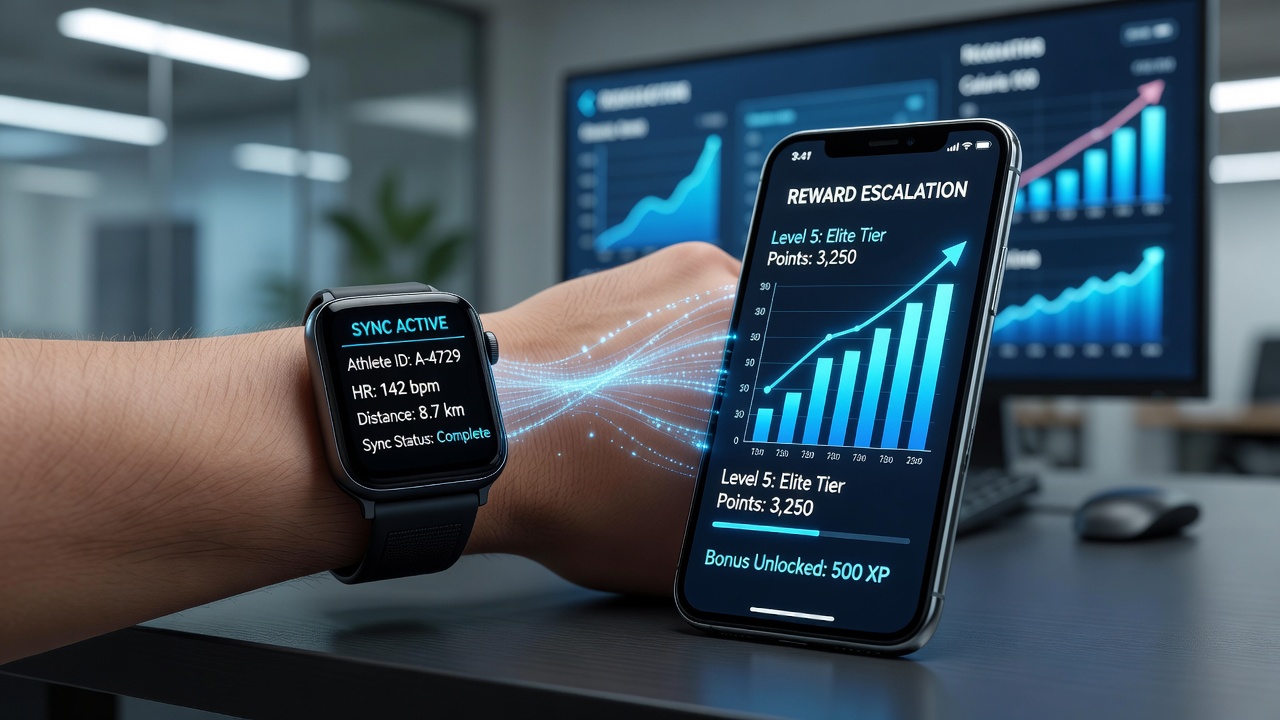 Data synchronization connects athletic analytics platforms with reward escalation mechanisms through portable interfaces that athletes and fitness participants rely on daily. Portable devices collect performance metrics such as heart rate variability, distance covered, and acceleration patterns then transmit those figures to centralized systems where reward programs calculate tier advancements. Researchers at institutions across multiple continents track these processes because synchronization accuracy determines whether users receive appropriate recognition for their training outputs. Portable interfaces operate through wireless protocols including Bluetooth Low Energy and Wi-Fi Direct that maintain continuous data streams between wearables and mobile applications. When an athlete completes a training session the device uploads raw sensor information to a cloud repository where algorithms process speed, cadence, and power metrics into standardized formats. These processed values feed directly into reward escalation engines that adjust point balances and unlock new status levels without requiring manual intervention from the user.
Core Components of Athletic Data Collection
Athletic analytics rely on multiple data streams that portable interfaces aggregate in real time. Global positioning system receivers provide location and velocity details while inertial measurement units capture orientation changes and impact forces. Heart rate monitors and electromyography sensors add physiological layers that together create comprehensive performance profiles. Studies conducted by the Australian Institute of Sport demonstrate how integrated sensor arrays improve the precision of workload calculations used in both training prescription and reward allocation. Synchronization occurs at several layers within portable ecosystems. Edge processing on the device itself filters noise from raw signals before transmission reduces bandwidth demands and preserves battery life. Cloud-based reconciliation services then compare incoming packets against historical records to detect and correct any gaps that arise during network interruptions. European research initiatives funded through Horizon programs have examined latency thresholds below 500 milliseconds as critical thresholds for maintaining accurate reward calculations during live athletic events.Reward Escalation Mechanisms and Data Integration
Reward escalation systems assign incremental benefits based on cumulative athletic outputs that portable interfaces record and verify. Points accumulate according to predefined formulas that weigh activity intensity against duration while accounting for individual baseline measurements. When synchronization pipelines deliver verified data the reward engine updates user accounts and triggers notifications through the same mobile application that captured the original metrics. Data integrity protocols prevent discrepancies that could arise from duplicate entries or delayed transmissions. Timestamp validation and checksum verification ensure each performance segment receives credit only once. Observers note that organizations operating multi-device environments often implement conflict resolution algorithms that prioritize the most recent complete dataset when parallel uploads occur from paired wearables and smartphones.