26 Jun 2026
Algorithmic Precision in Wagering: How Predictive Models Enhance Security and Personalization in Remote Gaming Environments
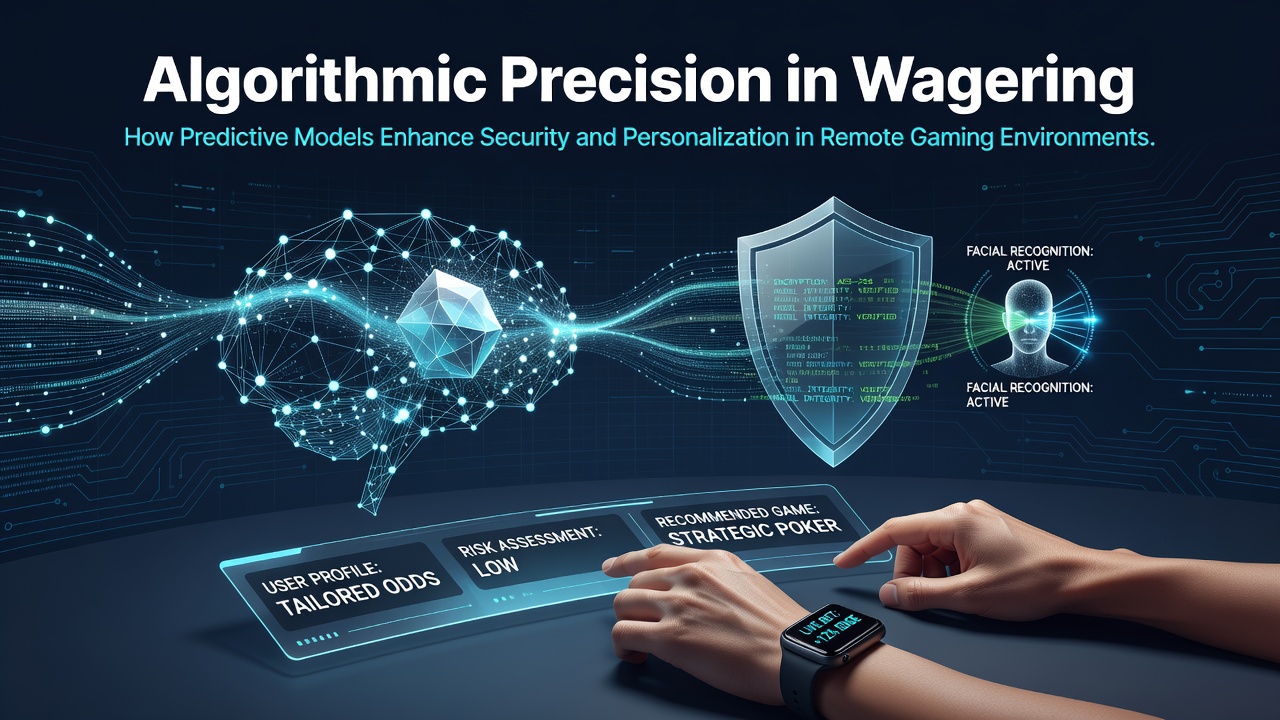
Remote gaming platforms now rely on predictive models to process vast datasets from player interactions, transaction histories, and behavioral signals in real time. These systems apply machine learning techniques to identify patterns that signal potential security threats while simultaneously tailoring user experiences based on individual preferences and activity levels. Data from industry reports shows that adoption rates for such algorithms increased steadily through 2025, with further integration noted in deployments tracked around June 2026 across multiple jurisdictions.
Security Enhancements Through Predictive Detection
Predictive models flag anomalous betting patterns that deviate from established user baselines, which allows operators to intervene before fraudulent activities escalate. Researchers at institutions studying digital transaction flows have documented how these algorithms combine velocity checks with geolocation data and device fingerprinting to reduce unauthorized access attempts. One study revealed that platforms implementing layered anomaly detection saw measurable declines in chargeback rates within the first year of deployment, and similar outcomes appeared in analyses covering North American markets during early 2026.
Operators integrate these tools with regulatory reporting requirements from bodies such as the Alcohol and Gaming Commission of Ontario, which track compliance metrics tied to risk scoring. The models update continuously as new data streams arrive, enabling adjustments that account for evolving tactics used in account takeover schemes or bonus abuse. Evidence from transaction monitoring logs indicates that false positive rates drop when models incorporate ensemble methods that weigh multiple variables simultaneously rather than relying on single-rule thresholds.
Personalization Mechanisms in Player Engagement
Personalization engines draw on the same predictive frameworks to recommend game selections, bonus structures, and session pacing that align with observed player tendencies. Clustering algorithms group users by risk tolerance and historical spend patterns, then surface tailored promotions that match those segments without crossing into overexposure. Figures from platform analytics providers reveal that conversion rates on customized offers often exceed those from generic campaigns by notable margins, particularly in mobile environments where session durations vary widely.

These systems also adjust interface elements dynamically, such as highlighting live betting options during peak interest windows identified through time-series forecasting. Observers note that European operators have tested versions of these engines that factor in regulatory limits on marketing intensity, ensuring recommendations stay within bounds set by local authorities like those in Malta or Sweden. The result appears in retention data that shows longer average play intervals when personalization aligns closely with verified user history rather than broad demographic assumptions.
Integration Challenges and Technical Considerations
Deploying these models requires balancing computational overhead against the need for sub-second response times during live wagering events. Engineers address latency through edge processing and model pruning techniques that retain accuracy while reducing complexity. Reports from academic centers focused on applied gaming technology indicate that hybrid architectures combining on-device inference with centralized updates have gained traction in deployments logged through mid-2026. Such setups help maintain performance across varying network conditions common in remote access scenarios.
Data privacy protocols further shape model training pipelines, with federated learning approaches allowing pattern recognition without centralizing sensitive player records. Those who've examined compliance frameworks across Australian and Canadian markets point to requirements that mandate audit trails for every algorithmic decision affecting account restrictions or offer eligibility. These measures support transparency demands while preserving the predictive power that drives both security and customization outcomes.
Case Examples from Operational Environments
Take one European operator that introduced predictive risk scoring in its sports betting vertical during 2025. Transaction records from that rollout showed faster identification of coordinated betting syndicates, which led to account actions completed within minutes rather than hours. Parallel implementations in slot and table game sections applied similar logic to detect unusual jackpot trigger sequences, resulting in documented reductions in suspected bonus exploitation cases.
Another instance involves a North American platform that layered personalization atop its existing security stack. User segmentation based on wagering velocity and game type preferences allowed the system to route high-engagement players toward loyalty mechanics that matched their historical patterns. Data released in quarterly summaries through June 2026 highlighted sustained increases in active user counts alongside stable security incident metrics, illustrating how the dual application of predictive techniques can coexist without trade-offs in either domain.
Conclusion
Predictive models continue to reshape remote gaming by linking security protocols directly to personalization capabilities through shared data foundations. As platforms expand these systems in response to regulatory and market pressures documented into 2026, the emphasis remains on verifiable performance metrics drawn from transaction logs, compliance audits, and retention analytics. Continued refinement of these approaches depends on ongoing collaboration between operators, technology providers, and oversight entities across regions.